
Placeholder: Placeholder
Placeholder
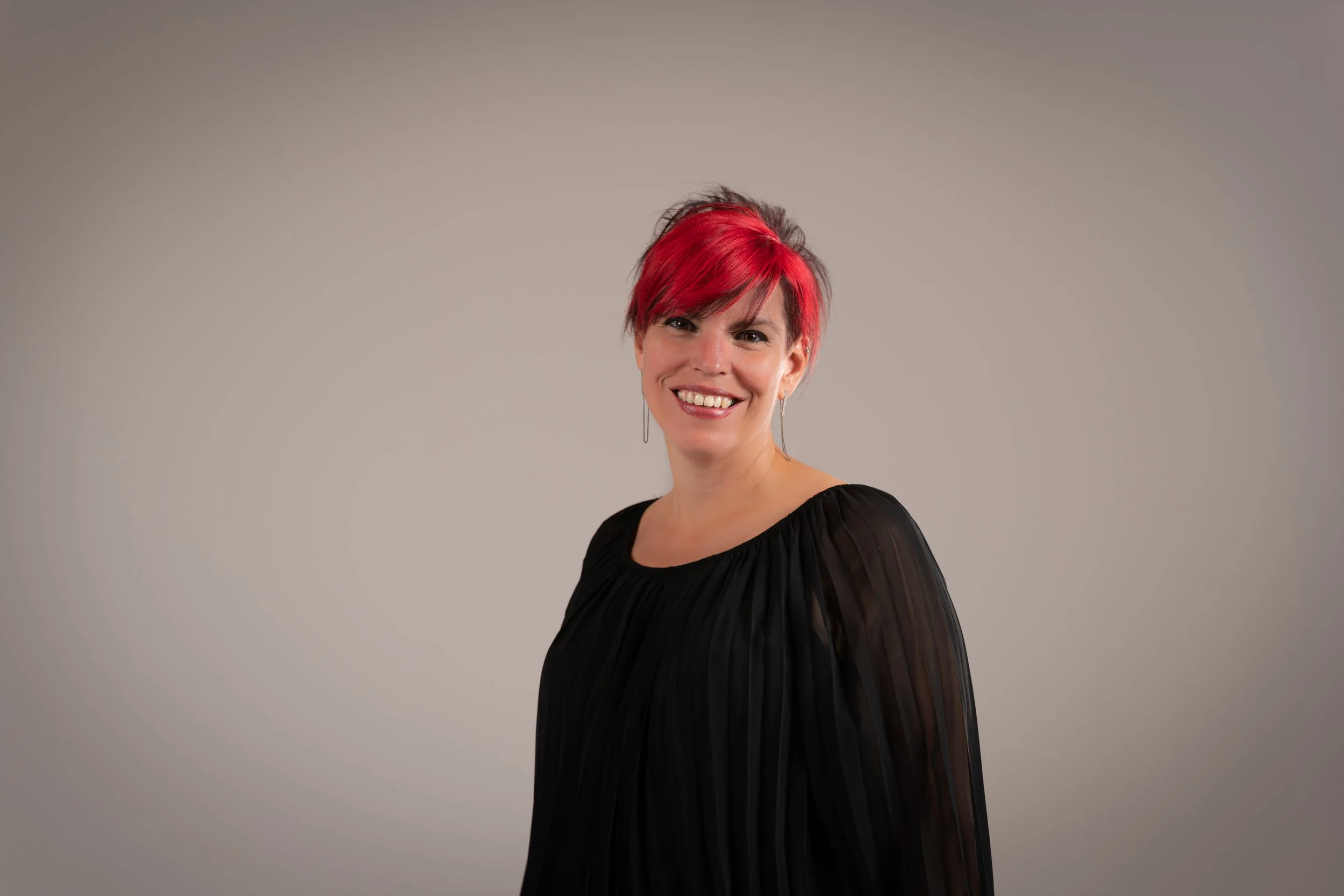
Myriam Bohémier
Practicing lawyer, accredited mediator, National Citizen's Inquiry (NCI) Commissioner, and sitting member of the CHA Board of Directors
Myriam Bohémier has been a lawyer for 26 years and an accredited mediator for 11 years. She served as a Commissioner with the National Citizens Inquiry, examining the question of whether children are safe in Canada, and is a member of the legal team of the Allison Inquiry. She is also a speaker, author, and member of the Board of Directors of the Canada Health Alliance. Myriam is also a karateka. In karate, we thank our opponent for making us better.
Over the years, the conflicts she has faced in her own life have made her better, leading her to explore the art of communication: listening, naming what needs to be named, and taking responsibility for our own state of being. Taking this responsibility is essential to being free. Her work as a mediator has profoundly transformed her.
Beyond the words and positions expressed in a conflict, mediation is about connecting with the human being in front of us and discovering the needs they are expressing through the conflict, in order to help them find their own solution.
My presentation title : Communication: The Choice to Be Free Through Conflict Resolution Presentation description : This interactive workshop will provide practical tools to help participants develop stronger communication skills and navigate conflict more effectively. Through active listening, reflection and reframing, participants will learn not only how to truly hear the person in front of them, but also how to become aware of what is happening within themselves as they listen. We will explore how our beliefs and frames of reference shape the way we interpret what we hear, personality styles to better understand ourselves and others, and the needs that may be expressed through our emotions. Inspired by principles of Nonviolent Communication, the workshop will offer concrete tools to communicate more consciously, take responsibility for our own state of being, and create space for meaningful dialogue. When we begin to see the other person as a reflection of ourselves, conflict can become an opportunity to look within and recognize what is being triggered in us. By changing within ourselves what is causing us difficulty, we can become freer. Much like in karate, the person who challenges us ultimately helps us become better..